


|
||||||
| Suspension | Chassis | Brakes -- Sponsored by 949 Racing Relating to suspension, chassis, and brakes. Sponsored by 949 Racing. |
 |
|
|
Thread Tools | Search this Thread |
 01-08-2014, 01:19 AM
|
#1 |
|
Senior Member
Join Date: Dec 2012
Drives: Toyota 86
Location: Manila, Philippines
Posts: 458
Thanks: 144
Thanked 271 Times in 140 Posts
Mentioned: 13 Post(s)
|
BBK recommendation for Forced Induction
I tried searching, but I couldn't find any threads about this. What BBK would you guys recommend for someone who is going FI? Nothing crazy, just a Vortech kit with maybe 240-260whp.
Before I decided to go FI, I was already set on getting the Essex Sprint AP Racing kit. Perfect for NA since it saves a lot of unsprung and rotating weight. But now that I will be going FI, I'm not sure if it will be adequate enough. I am not a hardcore track guy, I track the car maybe once a month, sometimes even less. I would also like something that will be able to clear the stock 17" wheels, so I can still use them for drifting. Someone has already said that the Sprint kit will clear the stockers with a 10 spacer. I'm willing to sacrifice the ability of running the stock 17" wheels if a bigger BBK is needed though. If so, what do you recommend? AP Racing Formula, Willwoods or Stoptechs? I would like something that will not alter the stock brake bias. Of course, price is a consideration. Thanks in advance! |

|

|
|
01-08-2014, 02:03 AM
|
#2 |
|
Senior Member
Join Date: Jan 2013
Drives: dark grey metallic Toyota 86 MT
Location: Philippines
Posts: 306
Thanks: 120
Thanked 135 Times in 88 Posts
Mentioned: 7 Post(s)
|
The stock brakes, with a little upgrade, can manage forced induction (stage 1). These are after all WRX brakes, used on heavier car with more power (stock).
AP - http://www.ft86club.com/forums/showp...7&postcount=10
__________________
|
|
|
|
| The Following User Says Thank You to andrewFT86 For This Useful Post: | HRTROB (01-08-2014) |
|
01-08-2014, 02:08 AM
|
#3 |
Join Date: Jul 2012
Drives: S2000 CR
Location: Orange County
Posts: 14,564
Thanks: 8,942
Thanked 14,213 Times in 6,856 Posts
Mentioned: 970 Post(s)
|
It all depends on how experienced YOU are. What's your past experience? What setups have you used and what were your results?
|
|
|
|
| The Following User Says Thank You to CSG Mike For This Useful Post: | mrk1 (01-08-2014) |
|
01-08-2014, 02:36 AM
|
#4 |
|
Senior Member
Join Date: Oct 2013
Drives: 4-Runner Sport - 13' BRZ SportTech
Location: Winnipeg
Posts: 1,395
Thanks: 253
Thanked 839 Times in 459 Posts
Mentioned: 18 Post(s)
|
Price being a consideration and BBK don't usually go together lol. At best, you'll be over $3 grand for a front and rear bbk.
I would suggest something along the lines of Stop Techs sport upgrade (Stop Tech rotors, pads, and stainless lines) and some Motul 600. That's more than enough for stopping power and track day durability. |
|
|
|
|
01-08-2014, 02:49 AM
|
#5 | |||
|
Senior Member
Join Date: Feb 2013
Drives: FR-S
Location: Phoenix
Posts: 2,605
Thanks: 733
Thanked 2,361 Times in 1,031 Posts
Mentioned: 345 Post(s)
|
Quote:
Quote:
Quote:
 Or even some suspension upgrades. Or even some suspension upgrades.Or hell some damned fuel! I would rather drive my car more than necessary than spend a few thousand on brakes. 
__________________
When I grow up, I wanna be God. My flickr - Canibeat Local magazine scout Old Setup: Vortech Supercharged 360WHP/262WTQ @ 11.5psi My build thread - WTF happened to nelsmar's car thread |
|||
|
|
|
|
01-08-2014, 03:34 AM
|
#6 |
|
Senior Member
Join Date: Dec 2012
Drives: Toyota 86
Location: Manila, Philippines
Posts: 458
Thanks: 144
Thanked 271 Times in 140 Posts
Mentioned: 13 Post(s)
|
Thanks for the input guys. I'm currently on the stock discs with Performance Friction pads, Performance Friction RH665 fluid and Goodridge SS lines. I only started going to the track when I got my 86 last year, so I don't have that much experience. With the brake mods I did, the brakes did improve but I fear that they might not be enough for the SC.
Regarding the wheels/suspension, I already have Volk Racing TE37SL Black Editions and KW V3 coilovers. I have also ordered a bunch of supporting mods for the Vortech - Koyo radiator, Perrin oil cooler, Cusco AOS can and DW 700cc injectors and 265lph pump. So the only thing left is the brakes, which I plan on getting later this year when more funds come in. Unfortunately, E85 is very hard to come by in my area so we'll have to see about that  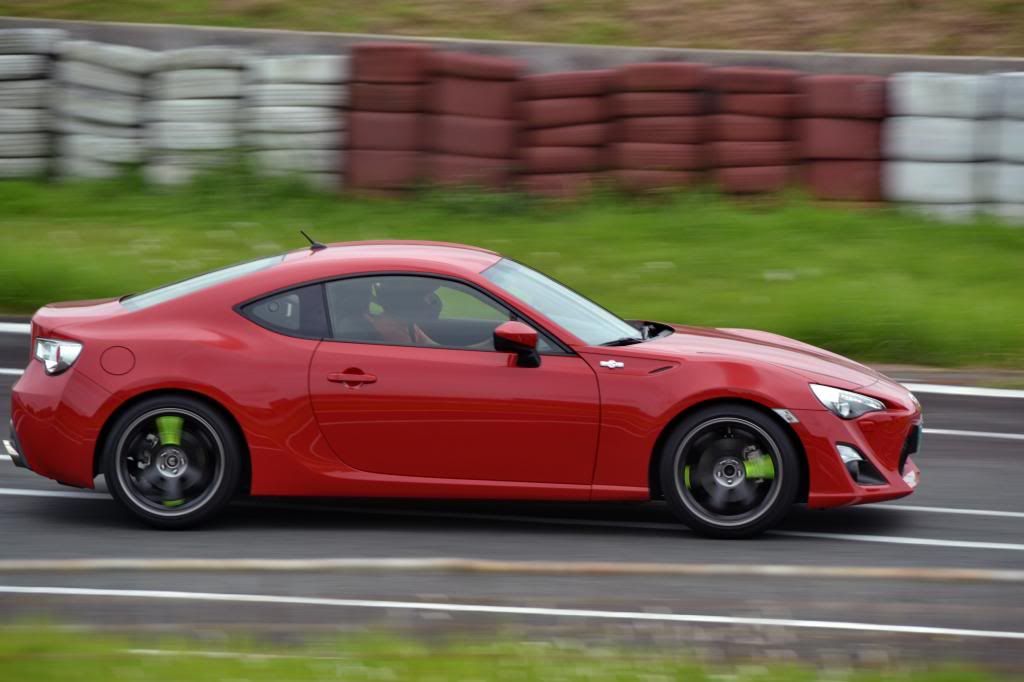 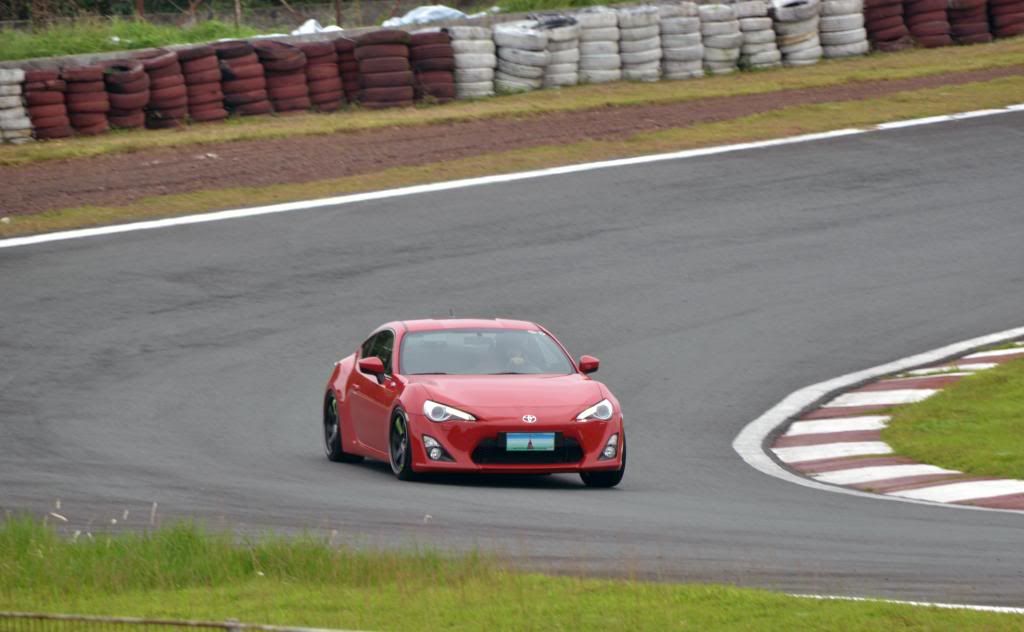
|
|
|
|
|
01-08-2014, 03:50 AM
|
#7 |
|
Senior Member
Join Date: Oct 2012
Drives: Toyota 86 TRD Version AT
Location: Manila, Philippines
Posts: 883
Thanks: 548
Thanked 599 Times in 283 Posts
Mentioned: 20 Post(s)
|
Did the SC arrive already Rob? Good luck on the build bro!
__________________
|
|
|
|
|
01-08-2014, 05:20 AM
|
#8 | |
|
Senior Member
Join Date: Dec 2012
Drives: Toyota 86
Location: Manila, Philippines
Posts: 458
Thanks: 144
Thanked 271 Times in 140 Posts
Mentioned: 13 Post(s)
|
Quote:
|
|
|
|
|
|
01-08-2014, 07:14 AM
|
#9 |
|
Member
Join Date: Mar 2013
Drives: BRZ m/t
Location: Metro Manila
Posts: 61
Thanks: 56
Thanked 11 Times in 8 Posts
Mentioned: 4 Post(s)
|
According to some discussions i've read regarding the worthiness of upgrading to a bbk vs. just upgrading to good pads, lines, fluid, mcb, rotors..the difference in stopping distance is NOT markedly cut shorter whether it is from a 200km/h FI run setup or a 200km/h N/A run setup. Bbk's are mainly for the cooling effect at the track, but that also depends on your braking tendencies. I know the bigger rotors will dissipate heat faster but im not sure if upgrading to just ProjectMu Club Racer rotors for example, will do a decent job as well in cooling as well.
Maybe @CSG Mike can shed more light for us
Last edited by BRZ68; 01-08-2014 at 07:25 AM. |
|
|
|
|
01-08-2014, 07:17 AM
|
#10 |
|
Senior Member
Join Date: Jul 2012
Drives: 2013 Asphalt FR-S Manual
Location: Whitby, ON, Canada
Posts: 6,716
Thanks: 7,875
Thanked 3,353 Times in 2,134 Posts
Mentioned: 99 Post(s)
|
The heat capability of your brakes is dictated by how you drive, not how much hp you have. If you're braking incorrectly you can EASILY overheat an awesome set of brakes on stock power, while if you're braking correctly you could be fine on slightly upgraded stock brakes with FI power.
Upgraded pads and fluid are a must, I wouldn't touch the rotors until you find they're an issue. I also replaced my lines but those won't do anything for heat capacity or stopping distances, just pedal feel.
__________________
Light travels faster than sound, so people may appear to be bright until you hear them speak... flickr |
|
|
|
|
01-08-2014, 07:53 AM
|
#11 |
|
Senior Member

Join Date: Oct 2012
Drives: 2013 BRZ satin white pearl sportech
Location: Thunder Bay Ontario Canada
Posts: 1,813
Thanks: 842
Thanked 911 Times in 576 Posts
Mentioned: 43 Post(s)
|
Big brakes don't necessarily make you stop quicker, they just allow you to stop more frequently. My car is still on stock brakes and I've done pulls up to over 150mph and they slow the car down fine......once. I'll be doing pads, rotors and fluid in the spring though. Don't forget you can only stop as much as your tires will allow.
Sent from, The Frozen North
__________________
2013 SWP BRZ sportech. 11.11sec@129.01mph, 511whp on e70. FullBlown base kit, FullBlown built 9.5:1 engine, GTX3076R GEN2 turbo, 1700cc Bosch injectors, FullBlown flex fuel kit, FullBlown radiator and oil cooler, FullBlown custom 3" dual exit exhaust, act xtreme clutch, whiteline diff and subframe inserts, BC Racing coilovers, hotchkiss 18mm rear sway, is300 3.73 differential ... Never finished
|
|
|
|
|
01-08-2014, 08:32 AM
|
#12 |
|
Senior Member
Join Date: Nov 2011
Drives: Subaru BRZ Limited 6MT
Location: Winston-Salem, NC
Posts: 2,432
Thanks: 712
Thanked 955 Times in 545 Posts
Mentioned: 47 Post(s)
|
I think the AP kit is probably the best on the market. The Stoptech kit doesn't look too far behind, and Wilwood a nice option too.
I have a Wilwood kit designed for a WRX bolted up to mine. It's great on the street (or autocross) and non-FI track use (or a smaller track). When I added the supercharger with the long straights at VIR I ate through my rotors as I was going from 135-140mph down to about 55mph. My kit only has 21mm rotors, I assume with 28-32mm you will have enough thermal capacity. I've been running the Carbotech XP-10 pads all around and have been happy with them. Also running Motul RBF 650. Personally, I'd opt for something upgraded up front to get a bigger pad/better thermal capacity, get stainless lines, fluid, and pads and you should be good.
__________________
Innovate Supercharged Black Limited BRZ 6-Speed MT(Build Thread)
2010 Cadillac CTS-V Sedan M6 w/550whp (Build Thread)  |
|
|
|
|
01-08-2014, 08:42 AM
|
#13 |

Join Date: Feb 2012
Drives: 2012 BRZ Premium WRB 6MT
Location: Charlotte NC
Posts: 726
Thanks: 230
Thanked 1,423 Times in 381 Posts
Mentioned: 81 Post(s)
|
To answer the OP's specific questions...yes, our Sprint Kit will be adequate for your needs. We have cars running over 300hp+ to the wheels on that kit consistently at the track with no issues. It does not impact the factory brake bias, spares are cheap, pads are cheap, and the consumables will last far longer than the OEM parts. Long-term running costs will be low, your confidence on track will be high. Mission accomplished.
 There's a LOT of stuff going on in this thread though. Here are some thoughts to the OP... First, have you read my brake upgrade guide? I'm guessing you may have, but figured I'd post it anyway. Some of the points addressed in that article are applicable here. What you're doing currently with your upgraded pads and fluid is correct. Don't waste your money on OEM-style replacement discs. They will gain you nothing. Also, don't waste your money on a rear big brake kit for your car. For what you're doing, it will gain you nothing. Focus on the front end. Good pads and lines in the back are perfect. It sounds like a few things are going on in your situation:
Heat Capacity/Energy Conversion Ultimately, the Endurance system has greater heat capacity. That is literally the only thing you gain with the Endurance system over the Sprint system. It has larger discs, which can absorb more heat. It also has the built-in provision to attach a brake duct hose, which allows for cooling air and temperature reductions. The discs are floating in the Endurance system, meaning that when they do get hot, they can expand with less strain on the disc at the point where it attaches to the hat. Again, those are all related to heat. So, in a certain range of temperatures...from ice cold to fairly hot, performance between the Sprint and Endurance kits will be identical. Only when a massive amount of heat is introduced to the system will any differences between the two kits become evident. So what happens when a massive amount of heat is introduced, and how would the two kits react differently? At some point, any brake system will run out of heat capacity. Brakes convert kinetic energy (a spinning disc) into thermal energy (the brake pads rub against the disc and generates friction). Energy is converted, not created. Depending on the disc size, pad volume, caliper design, cooling, etc., the conversion of energy happens at a certain rate, and the brake system has limitations on the rate at which it can convert energy. Here are the primary things that would push a brake system towards its limits of being able to adequately convert motion into heat.
Little Timmy got his FR-S for Christmas. His paper route isn't earning him much chedda, so he has to leave his car stock. He goes to the track. It turns out Timmy is the next Kimi. He is super talented and fast. He is hitting high top speeds into the brake zones, and changing a lot of kinetic energy into heat. Since his stock pads aren't really designed for that, they melt (they're made to be quiet and work well cold). As they are melting, they smear all over his discs, giving him vibration and judder every time he hits the brakes. His discs are in the same boat...they don't move much air through them, and they are overwhelmed by the heat. They are cycling between extremely hot and cool, and they develop huge cracks. Since the pads and discs are not efficient at handling heat (they weren't made for that specifically), they are heat soaked. All of that heat has to go somewhere.
So Timmy has some problems. His pads are melted, he has judder since they smeared all over his discs, his discs are cracking, and his brake pedal is soft because his fluid boiled. Timmy needs some help. He needs some brake components designed to handle high temperatures. Timmy buys a Sprint Kit and a pyrometer to take disc temperatures, because he wants to learn more about vehicle dynamics, and he wants to get faster. He leaves everything else on the car stock, and goes out to Willow Springs raceway (a relatively easy braking track). The day goes great and he has a blast as he starts to realize that track driving is addictive. His discs were hitting 950F consistently, but he had no brake problems. The pads didn't fade, and his pedal remained firm all day. Timmy wants to go faster though, because all of the Corvettes were passing him all day. He goes out and buys some race slicks before his next event at Buttonwillow. Timmy heads out to Buttonwillow. The race slicks allow him to get through the corners much more quickly, exit turns faster, and hit a higher speed at the end of the straights. He now has to go from a higher speed down to reach his corner entry speed, which transfers a lot more energy into heat. His driving skill is also steadily improving as he gets more experience. He's getting through the turns faster, and getting closer to his tires' ideal slip angle. He still can't catch the Z06 vettes, but he passed a couple of M3's and 911's. His brakes worked great all day, but when he was checking temps, he noticed that he was hitting 1200F consistently on his discs. He also saw a few spider cracks develop on the discs. By the last session of the day on Sunday, a lot of people had already gone home. He was out there with very little traffic in his run group, and he actually did 40 minutes straight instead of the usual 20 mins. At the very end of that last session, he started to feel a little softness in his brake pedal. When he went home and bled his brakes he noticed that a couple of air bubbles came out. At this point, Timmy goes a little apesh*t. He decides that he is going to make the Z06's feel silly when they're passed by a lowly FT86. He installs a turbo kit that adds 150 whp. He goes back to Big Willow for his next event. Something similar to the last event happens, and they get the chance to run for an hour straight at the end of the day. He runs the car a full hour flat out, but doesn't have any brake troubles at all...no soft pedal, nothing. He doesn't see any air bubbles when he bleeds the brakes. He sets the fastest time of the day, passing a Gallardo down the front straight. Back to Buttonwillow next time. Because he is so fast, Timmy runs in the fastest group. He goes out and tears it up in the first session. By the end of 20 mins. though, he's having some brake issues. At first he notices that even though his pedal is hard when he brakes, the car isn't slowing down like it's supposed to (brake pad fade). Uh oh. A few laps later, his pedal starts to get lower and lower going into brake zones...double uh oh. Timmy pulls into the hot pits and his friend zaps the front disc with the pyrometer. 1350F...ouch! Timmy wisely decides to go back out for a couple of cool down laps before the session ends, to get some air flowing through the brakes. So what happened during Timmy's journey? He found the limits of his stock system quickly, as they were simply not designed for what he intended to do to them. Then he increased his car's ability to generate brake heat by adding better tires. He also improved his driving ability, allowing him to increase his speeds at the end of straights and pour even more heat into the system as he slowed from higher speeds. To offset those things, he installed a brake system specifically designed to handle the heat of heavy track use. Ultimately though, he threw a bunch of HP at the car with his turbo, and radically changed the amount of energy being transferred from motion to heat. When he did so, he found the limits of the upgraded brakes. Timmy sold his Sprint kit to his friend who didn't have any plans for forced induction. He ordered and installed an Endurance kit. Now he had larger heat sinks in the form of bigger discs. They could absorb more heat before transmitting it to other components. He also hooked up some brake ducting to the caliper brackets, allowing for more cooling air to get into the center of the disc, and pump air through them. Since the discs could now swallow and dissipate more heat, and his cooling ducts were bringing in a nice stream of cool air, his pads never got as hot...nor did his calipers...nor did his brake fluid. He went out to Buttonwillow and didn't have any problems at all. A couple of points to note:
__________________
Essex Parts Services- AP Racing / Ferodo / Spiegler / Versodeck
Jeff Ritter|Mgr.- High Performance Division www.essexparts.com  |
|
|
|
| The Following 10 Users Say Thank You to JRitt For This Useful Post: | AceHeader-MT (01-11-2014), Anthonytpt (01-09-2014), Captain Snooze (01-08-2014), DAEMANO (01-08-2014), Dipstik-sportech (01-08-2014), diss7 (01-08-2014), HRTROB (01-08-2014), normancw (01-08-2014), North_GA_FRS (05-06-2016), Tye300 (01-09-2014) |
|
01-08-2014, 08:52 AM
|
#14 |
|
Join Date: Feb 2012
Drives: 2012 BRZ Premium WRB 6MT
Location: Charlotte NC
Posts: 726
Thanks: 230
Thanked 1,423 Times in 381 Posts
Mentioned: 81 Post(s)
|
There's another major point that people are overlooking in this thread...long-term running costs. If you plan to keep your car 2-3 years and track it regularly, buying our Sprint Kit will actually save you money! Before continuing to throw money at replacement pads and discs in the OEM size/shape, you need to read this. I firmly believe that if you track your car, our Sprint Kit is one of the best bang-for-the-buck investments you can make.
Below is an article I wrote for our blog in October 2012: Big Brake System Benefits you may not have Considered As we've been preparing for the launch of our Competition Brake Systems for the FR-S / BRZ, I've seen a lot of chatter on the forums about whether or not the FT86 platform needs an aftermarket brake system. While it's true that there have been quite a few FT86's tracked without major brake issues using just a pad and fluid change, that simple solution may not be the most economical or logical conclusion long-term. Before writing off a brake kit as "unnecessary," I would urge you to take a closer look at the realities of the situation. Below I've compiled a list of some of the benefits of aftermarket brakes that aren't widely recognized or acknowledged. For the FT86 platform, these benefits are even more relevant and important due to the nature of the car. Weight & Rotating Mass The Competition Brake Systems we're putting together using AP Racing components are 5 to 10 lbs. less unsprung weight per front corner vs. the OEM equipment. Our smaller Sprint system knocks 20 lbs. off the nose of the car, which meaningfully improves overall F/R weight distribution. At this time, I don't believe unsprung weight reduction of that magnitude is possible via aftermarket wheels/tires or suspension on this car. A sizeable body of work has been written on the merits of low rotating mass. The focus of most of this work has been related to lightweight wheels. It's been proven repeatedly that heavy wheels and tires essentially sap power from a car, impeding both acceleration and braking. Road & Track recently explored this topic when modifying an FR-S with aftermarket wheels. The same principles are true with brakes. As with wheels and tires, brake discs are part of the rotating assembly. A heavy brake disc is more difficult to accelerate, just as a heavier wheel is. On a low powered car such as the FR-S or BRZ, lower mass is even more critical. Adding horsepower is the common route to an improved power-to-weight ratio and increased acceleration. Reducing weight achieves the same thing, but with additional benefits. Shedding lbs. improves your power-to-weight ratio, but also makes the car handle better, easier on brakes, decreases wear and tear on tires, and allows for greater fuel efficiency. Most enthusiasts don't bat an eyelash at spending $2,000 on a header and exhaust system that sheds some pounds and adds some horsepower. On the FT86, our brake systems are effectively accomplishing the same thing. As an added bonus, you get a wide range of additional benefits. Spares/Long-term running costs While there is a higher initial cost of a big brake kit vs. simply upgrading the pads and discs, the long-terming running costs of an aftermarket brake system are sometimes actually cheaper. From what we've seen so far, track compounds in the pad shape we use in our brake systems are less expensive than the same compound in the OEM FR-S/BRZ shape. The pads in our system also have a 50% thicker friction puck. Since the discs in our system are far superior, the pads will also be running cooler. All of that adds up to far superior wear rates per pad set. Let's say the pads for our system are $175, while the same compound in the OEM shape is $225. If you would normally go through 4 sets of OEM-shaped pads in a season, that would be $900 in pads. If you only go through 3 sets of pads with our system, that's $525, a savings of $375. Over three seasons, that's $1,125 in pad savings alone. That is already half of the initial investment in a kit, and that doesn't factor in any of the other benefits. Disc replacements for BBK's are obviously more expensive, but it's a similar situation. The discs in our system are going to last far longer than an OEM or OEM-style replacement disc. AP Racing discs have an array of features specifically designed to deal with track temperatures, including specialized crack resistant metallurgy. For every few sets of OEM style discs you go through, you'll use one set of the AP discs. I just had a customer on the corvette forum post that he got two full seasons out of one pair of our discs. He went on to say he had 3 dozen cracked OEM discs in his garage! Because overall system temperatures will remain lower with a big brake kit, you will be putting a lot less heat into your brake fluid, and will likely have to bleed your brakes a lot less. Racing brake fluid isn't cheap, and constantly feeding it through your system can get expensive. Wear and Tear If you've ever tracked a car much, you know that there is a lot of associated wear and tear on parts surrounding the brakes. A huge amount of heat is built up in the area of the bearings, ball joints, etc. Running a big brake system keeps overall temperatures lower. Additionally, the aluminum hats on the 2-piece discs in a brake system are better at keeping heat out of the bearing area. Convenience, Enjoyment, and Track Time This is one huge factor that always seems to be overlooked...if you've ever been lying under the car in the pits bleeding your brakes while your friends are zooming by, it just plain sucks. If you've ever driven half a session, and then had your brakes start to fade, right when you were getting in the groove and setting your best lap times...it sucks. If you were playing cat and mouse with a friend and you have to let up because your brakes are flaking out...it sucks. Track time is expensive. You want to use it having fun and driving hard, not babying your brakes and tiptoeing around. A sorted, track optimized brake system allows you to forget about the brakes and just drive. You'll also spend less time bleeding, and you probably won't feel the need to tote as many spares around. Resale value of car and brake system If you try to sell your car in five years, and your OEM calipers are a burnt mess, that's likely going to cause some concern for the buyer. That's why most of the Porsche guys with PCCB's still run aftermarket iron disc systems at the track. They put the OEM ceramics in a box, and put them back on the car when they sell it. Additionally, a brake system from a top-tier manufacturer holds its value well on the used market. I've seen some of our AP kits sell for 60-70% of their original price on the used market. That means you pay $2000-$2500, gain all the benefits of the system for the years you own it, then get $1200-$1700 back on them when you sell. Between the resale value and the consumable savings, you're basically covered on the total cost of the system. Feel/Confidence Along the same lines as some of what I wrote above, having confidence in your brakes is an awesome feeling on track. It allows you to focus on everything else going on out there. Having confidence allows you to push harder and improve your driving. If you're in a competitive situation (Time attack or wheel-to-wheel), this can make a huge difference in the outcome. Initial Cash Outlay If you plan to buy front and rear race pads, SS lines, good fluid, and a duct kit, you're probably looking at what, $750? Throw in some slotted discs, and you're over a grand. What will you have to show for it? Some pieces of iron that you'll throw away, and some black fluid. Even SS brake lines are wear and tear items that will need to be replaced. Many of the things I noted above are outside of, or in addition to, what most people typically associate with a big brake system. Do you absolutely NEED a big brake kit. No, particularly if you only drive on the street. The OEM brakes will stop the car. If you look carefully at the situation however, a BBK becomes a more logical purchase than you originally thought. People tend to dwell on the upfront investment of $2k, but you have to look deeper than that to understand what you're really getting long-term. In my opinion, if you plan to track your car regularly and keep it for 3 years or longer, a quality BBK is almost a no-brainer. An Essex Sprint Kit on the scales next to the OEM front brakes.   - See more at: http://www.essexpartsblog.com/news/b....xKFT7S1E.dpuf
__________________
Essex Parts Services- AP Racing / Ferodo / Spiegler / Versodeck
Jeff Ritter|Mgr.- High Performance Division www.essexparts.com |
|
|
|
| The Following 7 Users Say Thank You to JRitt For This Useful Post: | Anthonytpt (01-09-2014), DAEMANO (01-08-2014), Dipstik-sportech (01-08-2014), GT86_PRAGUE (12-14-2014), HRTROB (01-08-2014), normancw (01-08-2014), Tye300 (01-09-2014) |
|
|
|
|
|
|
 Similar Threads
|
||||
| Thread | Thread Starter | Forum | Replies | Last Post |
| going forced induction | ft86me | Forced Induction | 14 | 02-05-2014 08:23 AM |
| Forced induction for ATs? | Lokutus | Forced Induction | 10 | 02-26-2013 03:42 PM |
| NOS or Forced Induction? | v3rgil | AFRICA | 1 | 11-08-2012 07:17 AM |
| 6AT (+) Forced Induction | RYU | Forced Induction | 18 | 09-09-2012 11:14 PM |
| Forced Induction | Primo86 | Engine, Exhaust, Transmission | 11 | 05-29-2012 07:50 PM |


