


 12-17-2012, 02:50 PM
|
#71 | ||
|
That Guy
Join Date: Dec 2011
Drives: 2013 asphalt FRS MT
Location: Halifax, Nova Scotia
Posts: 4,865
Thanks: 5,058
Thanked 2,868 Times in 1,499 Posts
Mentioned: 82 Post(s)
|
Quote:
Quote:
I agree that when there is positive or even neutral pressure in the intake manifold the oem style PVC becomes next to useless. The question though, is how much time you spend with anything other then vacuum in the intake manifold. The best, or at least the easiest, indication that you're spending most of your driving with the intake manifold under vacuum is if your power brakes still work. The power assist for the breaks comes from intake manifold vacuum. Just because the turbo or supercharger is creating pressure in the duct before the throttle body doesn't mean that pressure is also in the intake manifold. If it were the engine would be uncontrollable. |
||

|

|
|
12-17-2012, 02:50 PM
|
#72 | |
|
I Love custom Turbo kits
Join Date: Mar 2012
Drives: Limited BRZ
Location: Miami
Posts: 10,770
Thanks: 20,004
Thanked 8,346 Times in 4,361 Posts
Mentioned: 441 Post(s)
|
Quote:

__________________
|
|
|
|
|
|
12-17-2012, 04:00 PM
|
#73 | |
|
Senior Member

Join Date: Jul 2012
Drives: Ones with Big Turbos
Location: Houston, Texas
Posts: 182
Thanks: 0
Thanked 153 Times in 68 Posts
Mentioned: 5 Post(s)
|
Quote:
|
|
|
|
|
|
12-17-2012, 04:30 PM
|
#74 | |
|
Backyard Fabricator
Join Date: May 2012
Drives: JZX83, SF5 GT, ZZE82 turbo
Location: Australia
Posts: 303
Thanks: 47
Thanked 166 Times in 83 Posts
Mentioned: 40 Post(s)
|
Quote:
|
|
|
|
|
|
12-17-2012, 05:16 PM
|
#75 |
|
Senior Member

Join Date: Aug 2012
Drives: FR-S
Location: IL
Posts: 2,857
Thanks: 519
Thanked 2,998 Times in 1,095 Posts
Mentioned: 159 Post(s)
|
Let me see if I can help end this discussion or at least provide some factual information with a source, Toyota itself. This also applies to almost every other engine maker in the modern world.
Attached Below is an SAE Article on the purpose and functions of a variable PCV system and how to trouble shoot problems with it. I know some of you have seen my DIY for the Radium can. http://www.ft86club.com/forums/showthread.php?t=21079 As anti-lag stated, I personally don't care which can you choose as long as you understand how they work and which cans are BS. I want to clear up and actually post some info that can help put some of these debates to rest. The reason for many of these threads is because no one ever gives a definitive answer to questions. FACTS:
CATCH CAN SYSTEMS: OPEN SYSTEMS: Cans that do not route PCV gas back into the intake manifold. Anti-lag has a specifically designed open catch can for turbo setups which benefit from having an open system. It is perfect for those who do not want any type of oil or blow by gases back in the intercooler or intake. However depending where you life you may fail emissions inspection if they find you are venting PCV gases into the atmosphere. CLOSED SYSTEMS: Radium, and several others provide systems that sit in between the PCV valve and the intake manifold or in between the breather line and intake. These systems hooked up correctly, do NOT bypass the PCV system, they run inline. However the cans must be drained periodically to prevent over flow or plugging the PCV system. CLOSED LOOP SYSTEMS: Basically this covers the Crawford Can, it sits between the PCV and the breather tube, and separates the air and oil back into the block. The concept is you put the blow by gas and oil back into the engine without having to drain a can. The problem not even addressed by Crawford is, blow by gas is oil, fuel and vapor that is blown by passed the rings thus contaminated. In a true performance setup do you want contaminated oil back into the block? DIFFERENCES IN CANS: Baffled or Condensors Cans that use condensers or baffles help to take the blow by gas and help condense oil and prevent it from just flowing right back out of the can into the intake manifold or intake. Unbaffled Cans with a straight open design with an inlet and outlet port. These cans are basically the cheapest and least effective at trapping/separating oil, fuel and moisture. Without a baffle system there is nothing to help separate the oil from the air. AOS Air oil separators that use special channels to help separate the incoming air vapor into "clean" vapor and oil back into the block/oil?
__________________
Last edited by Dezoris; 12-17-2012 at 06:48 PM. |
|
|
|
| The Following 28 Users Say Thank You to Dezoris For This Useful Post: | ATL BRZ (01-09-2013), AVOturboworld (12-17-2012), Black Tire (02-16-2013), blackfireball5 (06-27-2014), Calum (12-17-2012), ChrisD (02-29-2016), Craig (01-28-2013), Efferalgan (06-17-2014), ftc~brz (04-09-2013), GPhilly (04-22-2022), Hawk77FT (12-07-2014), idanvan (08-20-2013), JP (12-17-2012), kwood9000 (01-09-2013), lazyluka (09-09-2013), MJones_RB (05-10-2017), nix (02-04-2013), number1Tango (01-30-2013), OrbitalEllipses (12-17-2012), Overdrive (01-27-2021), Plumbus (05-07-2020), reeves (04-24-2013), secret.squirrel (03-06-2016), shiro (08-28-2013), Sojhinn (12-19-2014), Sportsguy83 (12-17-2012), wbradley (12-17-2012), whataboutbob (11-05-2013) |
|
12-17-2012, 05:49 PM
|
#76 | |
|
That Guy
Join Date: Dec 2011
Drives: 2013 asphalt FRS MT
Location: Halifax, Nova Scotia
Posts: 4,865
Thanks: 5,058
Thanked 2,868 Times in 1,499 Posts
Mentioned: 82 Post(s)
|
Quote:
Last edited by Calum; 12-17-2012 at 07:26 PM. |
|
|
|
|
|
12-17-2012, 11:03 PM
|
#77 | |
|
Senior Member
Join Date: Jul 2012
Drives: FRS
Location: Cali
Posts: 1,558
Thanks: 188
Thanked 462 Times in 264 Posts
Mentioned: 9 Post(s)
|
Quote:
|
|
|
|
|
|
12-18-2012, 02:18 AM
|
#78 | |
|
Senior Member
Join Date: Aug 2012
Drives: FR-S
Location: IL
Posts: 2,857
Thanks: 519
Thanked 2,998 Times in 1,095 Posts
Mentioned: 159 Post(s)
|
Quote:
1. Reduce oil/fuel vapor back into the intake tract which reduces carbon build up on valves and piston domes. (Not eliminate) Carbon build up is a major maintenance and performance concern on direct injected motors. The FA20 also has port injection and this will reduce carbon on intake valves. 2. Reduce potential of foul up inside intake manifold over time. For forced induction models it does the following: 1. Eliminates oil inside the intercooler which hurts performance efficiency increases heat soak. 2. Eliminates contaminents inside intake tract from breather blow by. (Running two cans) As for which can works? Look for threads or videos showing peoples results not just sales pitches or pics of pretty installs.
__________________
|
|
|
|
|
|
12-19-2012, 03:38 PM
|
#79 | |
|
Is it fast? No.

Join Date: Aug 2012
Drives: 2013 Scion FR-S Manual-Asphalt
Location: Vista, CA
Posts: 604
Thanks: 824
Thanked 164 Times in 122 Posts
Mentioned: 2 Post(s)
|
Quote:
__________________
 2013 (Rebadged) Toyota GT-86 {Perrin intake tube, aFe dry air filter, custom 2.5" exhaust, PLM overpipe, Kartboy crank pulley, Hotchkis springs, custom Flossy grip tape shorty, TRD shifter, Berk HFC, Whiteline Sway-bars} [Wanted: Delicious Stg 2 tune, Bilstein struts] |
|
|
|
|
|
12-19-2012, 05:34 PM
|
#80 | |
|
TEQSPORT Brand Manager

Join Date: Jun 2012
Drives: '24 GR86 + '16 FR-S
Location: Atlanta
Posts: 3,666
Thanks: 3,725
Thanked 4,137 Times in 1,707 Posts
Mentioned: 90 Post(s)
|
Quote:
http://amzn.com/B004K9BIY4 |
|
|
|
|
|
01-09-2013, 04:42 PM
|
#81 |
|
Sarcastic SOB

Join Date: May 2012
Drives: '13 FR-S M6, '23 Volvo V60 CC
Location: Toronto Ontario
Posts: 4,647
Thanks: 1,364
Thanked 2,863 Times in 1,645 Posts
Mentioned: 32 Post(s)
|
I dont know, it looks like the Moroso is hooked from the front crankcase vent to the intake before throttle body when its the PCV vent to intake manifold that gets most of the blowby gas on a NA car.
The Cusco has Japanese instructions that seem to indicate this hookup as well according to the pictures but I thought it was wrong and hooked from PCV to intake manifold inlet under the crab plastic.
__________________
5:AD kit, HKS V1+ S/C, ECUtek dyno'd, Ohlins MP20, Magnaflow cb, Revworks UEL, Topspeed overpipe, Pinnacle Ceramic tint, VG shark fin, HID's, yellow DRL's, full LEDs, red floor lights, Homelink mirror, trunk lid liner, Perrin LWCP, Valenti smoked, Flossy Grip Tape Shorty, GT86 plaque, lighted vanity mirror, Michelin PSS, Project mU +800, DOT4 fluid, 720 Form GTF1 17x8&9, stitched leather bits, EZ valve.
|
|
|
|
|
01-09-2013, 04:56 PM
|
#82 | |
|
TEQSPORT Brand Manager
Join Date: Jun 2012
Drives: '24 GR86 + '16 FR-S
Location: Atlanta
Posts: 3,666
Thanks: 3,725
Thanked 4,137 Times in 1,707 Posts
Mentioned: 90 Post(s)
|
Quote:
 EDIT: FIXED! Took like 10 minutes and just reused what I had, just had to trim a the hoses a bit.  Doing it right!  now using the rear pcv instead of the front breather  Tidied up 
__________________
Last edited by ATL BRZ; 01-09-2013 at 06:29 PM. |
|
|
|
|
|
01-30-2013, 11:06 AM
|
#83 | |
|
Senior Member
Join Date: Jan 2013
Drives: 2013 Asphalt FR-S
Location: Orange County
Posts: 1,639
Thanks: 632
Thanked 982 Times in 537 Posts
Mentioned: 100 Post(s)
|
Quote:
The best you can ever hope for with a vented system is not building positive pressure in the case... with a closed system you can pull a vacume on the case at all times. Also, theory aside, the majority of the open system is saw on the dyno when i did tuning work were messy (blowing oil vapor out the filter under boost), some would pop dip sticks from excessive crank pressure, and some (on cars that were not speed density) would have fuel trim issues based on how the owners installed the systems. Here is the Saikou Split DC3 Catch Can Set that i ran on my ralliart and am about to install on my FR-S:  The can on the right hand side connects the intake pipe to the valve cover the can on the left connects the valve cover to the intake manifold with a pcv / check valve combo that closes as soon as the manifold goes into positive pressure. During off boost conditions, the vacuum is stronger in the manifold and the port that connects the right side valve cover vent to the intake pipe acts as the breather tube and allows fresh air to be drawn in and swept through the crank case. During boost, the check valve closed on the manifold side and the tube that connects to the intake pipe now acts as the vacuum source that pulls a vacuum on the crank case. Of the two cans, the one on the intake manifold catches the most oil (about 4X more than the one on the intake side) since most of the time the engine is running in vacuum... this also explains why 4B11T's like to det on cylinder #3... the port on the manifold dumps right into cyl#3.
__________________
~Namaste~ Last edited by mad_sb; 01-30-2013 at 11:49 AM. |
|
|
|
|
|
01-30-2013, 01:37 PM
|
#84 |
|
NASA SpecE30 Racer

Join Date: May 2012
Drives: 2006 Honda S2000
Location: Gulf Breeze, FL
Posts: 7,279
Thanks: 607
Thanked 5,759 Times in 3,055 Posts
Mentioned: 274 Post(s)
 |
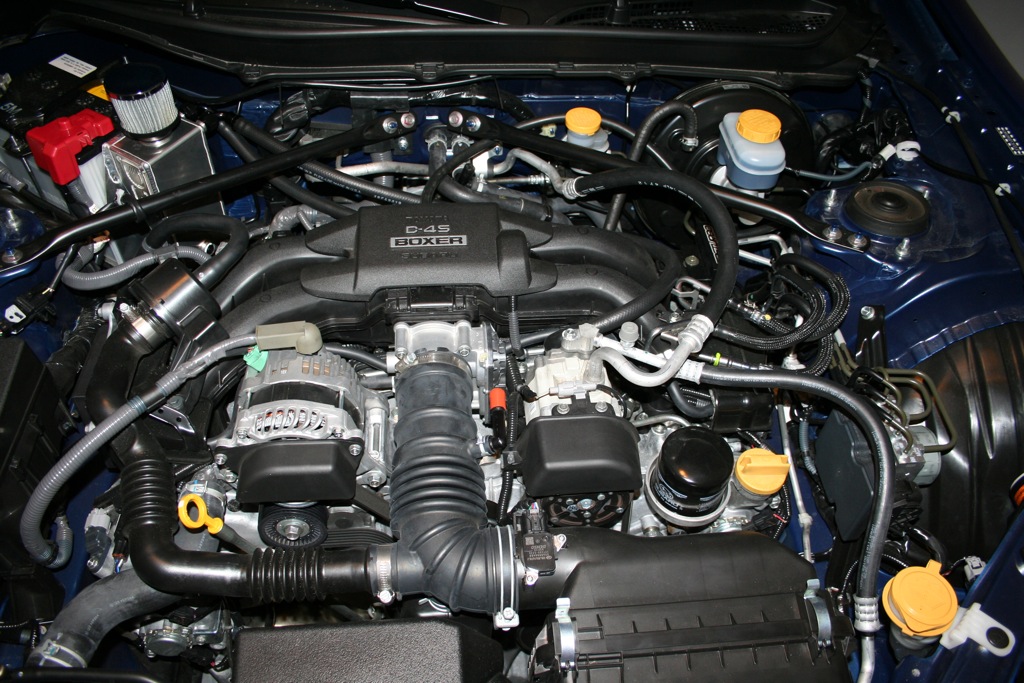
I went vented:
__________________
- King Tut
Street/Track Car: 2006 Honda S2000 TT3 || Race Car: 1987 BMW 325is SpecE30 || Tow Vehicle: 2014 RAM 1500 EcoDiesel Sold Cars: 2012 BMW M3 || 2013 Subaru BRZ || 2012 Porsche Cayman R || 2009 Chevrolet Z06 || 2009 BMW M3 || 2004 BMW M3 || 2004 Nissan 350Z |
|
|
|
|
|
|
|
|
|
 Similar Threads
|
||||
| Thread | Thread Starter | Forum | Replies | Last Post |
| BRZ vs FRS - The Debate | TAP Auto Parts | Scion FR-S / Toyota 86 GT86 General Forum | 139 | 05-07-2013 06:26 PM |
| The Great Torque vs. Horsepower Debate | phenom86 | Engine, Exhaust, Transmission | 53 | 11-11-2012 09:54 PM |
| The Great Hatch vs Trunk Debate | nate89 | Scion FR-S / Toyota 86 GT86 General Forum | 229 | 10-24-2011 09:39 AM |
| Forget the NA vs Turbo debate!!!! | Midship Runabout | Engine, Exhaust, Transmission | 69 | 04-05-2011 05:24 PM |




 The One