


 12-15-2012, 11:41 PM
|
#29 | |
|
Senior Member
Join Date: Aug 2012
Drives: Silver FRS
Location: Malibu
Posts: 160
Thanks: 424
Thanked 48 Times in 36 Posts
Mentioned: 0 Post(s)
|
Quote:
__________________
 |
|

|

|
|
12-16-2012, 12:42 AM
|
#30 |
|
Senior Member
Join Date: Jul 2012
Drives: FRS
Location: Cali
Posts: 1,558
Thanks: 188
Thanked 462 Times in 264 Posts
Mentioned: 9 Post(s)
|
Found this on another forum regarding open systems. I have to say... I may be leaning toward this route at this point.
"What I am doing, venting to atmosphere with intake manifold plugged and intake tube plugged to prevent outside air from getting in unmetered. The breather filters might get some oil vapors because of oil vapors with the blow by gas. But you could get one of those catch cans that are not seald and have a breather on them. This would then have a place for some oil vapors to collect. Remember the stock pcv line system is designed for emissions reasons while releiving the crank pressure. Since we all mod our cars, run no cats/hfc's, etc... We are breaking the rules anyways. So there is no point in keeping the factory routing. Also catch cans dont work 100% this is the only 100% true bone dry method of ensuring absolute Zero oil in the intake. With the assumptions everything is running properly." http://forums.evolutionm.net/evo-eng...-breather.html The downside of course is that it is illegal. I have even heard of a guy almost getting his car impounded due to such a modification. Know your laws and proceed with caution." Last edited by wootwoot; 12-16-2012 at 12:43 AM. Reason: Formatting |
|
|
|
|
12-16-2012, 12:47 AM
|
#31 | |
|
Senior Member

Join Date: Jul 2012
Drives: Ones with Big Turbos
Location: Houston, Texas
Posts: 182
Thanks: 0
Thanked 153 Times in 68 Posts
Mentioned: 5 Post(s)
|
Quote:
Look on our initial thread about our system and one of the customers has his own install and review of the product starting on page 2: http://www.ft86club.com/forums/showt...t=19462&page=2 |
|
|
|
|
|
12-16-2012, 12:49 AM
|
#32 |
|
Senior Member
Join Date: Jul 2012
Drives: Ones with Big Turbos
Location: Houston, Texas
Posts: 182
Thanks: 0
Thanked 153 Times in 68 Posts
Mentioned: 5 Post(s)
|
Also running our catch can will not cause any CELs to come on thus allowing full OBD2 Emission compliance.
|
|
|
|
|
12-16-2012, 03:04 AM
|
#33 |
|
Senior Member
Join Date: Jul 2012
Drives: FRS
Location: Cali
Posts: 1,558
Thanks: 188
Thanked 462 Times in 264 Posts
Mentioned: 9 Post(s)
|
Does oil or oil vapor ever make it out of the filter? I would hate to have oil vapor all over the engine bay.
Also, someone commented on getting an oil smell when driving. How bad is it typically? Lastly, does the crank pressure swing back and fourth from positive to negative, both pushing out and sucking in air at different times? What about with forced induction? I am becoming more and more intrigued by your design as I learn more. |
|
|
|
|
12-16-2012, 07:04 AM
|
#34 | |
|
I Love custom Turbo kits
Join Date: Mar 2012
Drives: Limited BRZ
Location: Miami
Posts: 10,770
Thanks: 20,004
Thanked 8,346 Times in 4,361 Posts
Mentioned: 441 Post(s)
|
Quote:
__________________
|
|
|
|
|
|
12-16-2012, 03:54 PM
|
#35 |
|
Senior Member
Join Date: Jul 2012
Drives: FRS
Location: Cali
Posts: 1,558
Thanks: 188
Thanked 462 Times in 264 Posts
Mentioned: 9 Post(s)
|
I am liking this unit. You would need two to do the job. But if you got two and put some mesh/baffling in the necks they would do everything the expensive units do and be 1/3 of the price.
http://www.jegs.com/i/Moroso/710/854...oductId=750108 I REALLY like these units. But again you would need two and that would be expensive. Really nice two chamber design. I wish they made one with two inlets! http://www.ebay.com/itm/Black-Vented...item3f0abe6936 The research continues.... |
|
|
|
|
12-16-2012, 06:10 PM
|
#36 |
|
That Guy
Join Date: Dec 2011
Drives: 2013 asphalt FRS MT
Location: Halifax, Nova Scotia
Posts: 4,865
Thanks: 5,058
Thanked 2,868 Times in 1,499 Posts
Mentioned: 82 Post(s)
|
First lets look at the purpose of the PCV system and how it operates.
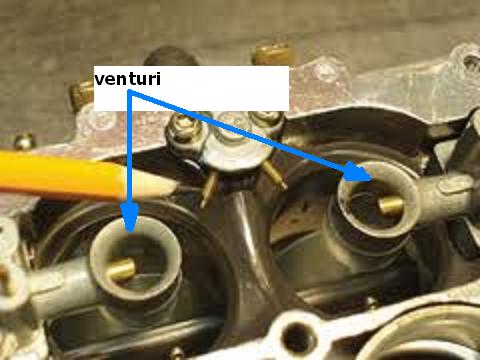
The purpose of the positive crankcase ventilation system is to remove blowby gases from the crankcase. This is required to preventing contamination of the oil and preventing crankcase over pressurization. The blowby gases will turn the oil acidic, increase its viscosity and remove it's film strength, which will all cause premature wear. An over pressurization of the crankcase can cause a catastrophic failure of the engine but in order for it to get that bad the oil level would have to be over the height of the dip stick hole. I've seen this happen on a diesel generator when someone tied open the oil supply valve, but it would be very hard to duplicate in a road going engine. The system is comprised mainly of two hoses in stock form, both start at different ends of the block. The hose closer to the nose of the car goes to the intake duct, up stream of the throttle body. The air at this part of the system is under very mild vacuum. The second hose goes to the plenum of the intake system. Under most driving conditions this area is under much more vacuum then the intake duct. So, the hose at the front of the engine is the fresh & filtered air supply to the crankcase and the rear hose is removing blowby gasses from the crankcase. The PCV valve is there to prevent suction from the crankcase to the plenum under wide open throttle so the blowby gases don't mix with the fresh air coming into the engine thus reducing engine power. Ok, now that's out of the way, what would be the best way to modify this system. If you're leaving the car naturally aspirated and not going crazy with it, remove the tube from the intake duct cap, the duct and put a filter on end of the tube. This will separate the intake system from the PCV system, preventing the very minimal vapors that may escape here from getting into the intake system. If you just leave the tube open you run the risk of having debris enter the crankcase. Next, put some means of separating the oil & contaminates from the air entering the plenum. Something like this is easy to maintain, and works very well. http://www.jegs.com/p/JEGS-Performan...63433/10002/-1 If you're going the route of forced induction or BIG cams that wont make much vacuum, you're gonna want to either change the oil much more often or find some way, other then engine vacuum, to remove the gases. If the car is still mainly street driven the plenum will still be under vacuum most of the time and the system will still operate as it should. For the track only cars, a vacuum pump would be best but they're expensive. (mind you still less then some of the catch cans available.) I've seen plenty of track only cars run a venturi tube off the exhaust but they need the engine to be at wide open throttle or very near to operate, so this wont work on street driven cars. As for open systems. That's no longer a positive ventilation system. That's a passive system that works mainly on the hope that the blowby gasses will leave the crankcase without contaminating the oil. Last edited by Calum; 12-16-2012 at 06:52 PM. Reason: punctuation and clarity |
|
|
|
|
12-16-2012, 06:29 PM
|
#37 |
|
Senior Member
Join Date: Jul 2012
Drives: Ones with Big Turbos
Location: Houston, Texas
Posts: 182
Thanks: 0
Thanked 153 Times in 68 Posts
Mentioned: 5 Post(s)
|
That's a whole lot of bad information. The hose in the front supply's fresh air to the crankcase?? And if you have forced induction you just change the oil more often??
No the front hose pulls air out of the crankcase all the time, these are dbw vehicles, the throttle body is open at all times, that's how it regulates idle, and no, you can't just change your oil more often on a boosted car, your still going to have no release of air from the crankcase and pressure will build up and next thing you know you'll be blowing dipsticks and seals out, not to mention if the crankcase pressure can't escape you will start pushing oil from the valve stem seals and your car will smoke. And no you can't just throw a filter on the intake tube Pcv inlet nipple.. If you did that you'll have a huge leak after the maf and you will have misfires and the car will run lean. And why would you spend so much time rigging multiple cans to handle both Pcv Ports or trying weird things. Why not just run what's made for the vehicle? |
|
|
|
| The Following User Says Thank You to ANTI_LAG For This Useful Post: | charged86 (08-28-2013) |
|
12-16-2012, 06:45 PM
|
#38 | |
|
That Guy
Join Date: Dec 2011
Drives: 2013 asphalt FRS MT
Location: Halifax, Nova Scotia
Posts: 4,865
Thanks: 5,058
Thanked 2,868 Times in 1,499 Posts
Mentioned: 82 Post(s)
|
Quote:
I wasn't trying to say anyone should seal the block and just change the oil more often. I was trying to say the pressure in the intake plenum, or rather lack of vacuum, will prevent the PCV system from operating correctly. Thus, another means of pulling the blowby gasses from the crankcase will be required. While I may not have stated it very well, I wasn't trying to say anyone should put a filter on intake duct. I said the intake duct should be capped and the PCV inlet tube going to the front of the block should get the filter. This way no unmetered air will enter the intake system and the crankcase will still get fresh filtered air. There's nothing weird about what I said, and it would only require one can. What I said was, put a filter (something like this http://www.jegs.com/i/Airaid/028/770-133/10002/-1) on the crankcase inlet, put an air/oil separator in the suction hose, and plug the resultant leak in the intake duct. Last edited by Calum; 12-16-2012 at 06:57 PM. |
|
|
|
|
|
12-16-2012, 07:01 PM
|
#39 | |
|
Senior Member
Join Date: Jul 2012
Drives: Ones with Big Turbos
Location: Houston, Texas
Posts: 182
Thanks: 0
Thanked 153 Times in 68 Posts
Mentioned: 5 Post(s)
|
Quote:
|
|
|
|
|
|
12-16-2012, 07:16 PM
|
#40 | ||
|
That Guy
Join Date: Dec 2011
Drives: 2013 asphalt FRS MT
Location: Halifax, Nova Scotia
Posts: 4,865
Thanks: 5,058
Thanked 2,868 Times in 1,499 Posts
Mentioned: 82 Post(s)
|
Quote:
Quote:
Last edited by Calum; 12-16-2012 at 08:02 PM. |
||
|
|
|
|
12-16-2012, 07:30 PM
|
#41 |
|
Senior Member
Join Date: Jul 2012
Drives: Ones with Big Turbos
Location: Houston, Texas
Posts: 182
Thanks: 0
Thanked 153 Times in 68 Posts
Mentioned: 5 Post(s)
|
If you cruise out of boost which most people on the planet do then I am correct, the rest of what you have said in the above post is a bunch of jibberish and im not going to correct all of it.
And I would like to add im not attacking you as a person but just the bad info you are posting, my reason for this is that bad info gets posted on forums all the time, usually based on opinion rather then fact. When this happens people follow it because they look toward the forums as guidance. In the case of where you posted that you run a filter on the front pcv port but run the back to the IM this might cause damage to the engine for anyone who might follow this advice. |
|
|
|
|
12-16-2012, 08:02 PM
|
#42 | |
|
That Guy
Join Date: Dec 2011
Drives: 2013 asphalt FRS MT
Location: Halifax, Nova Scotia
Posts: 4,865
Thanks: 5,058
Thanked 2,868 Times in 1,499 Posts
Mentioned: 82 Post(s)
|
Quote:
|
|
|
|
|
|
|
|
|
|
|
 Similar Threads
|
||||
| Thread | Thread Starter | Forum | Replies | Last Post |
| BRZ vs FRS - The Debate | TAP Auto Parts | Scion FR-S / Toyota 86 GT86 General Forum | 139 | 05-07-2013 06:26 PM |
| The Great Torque vs. Horsepower Debate | phenom86 | Engine, Exhaust, Transmission | 53 | 11-11-2012 09:54 PM |
| The Great Hatch vs Trunk Debate | nate89 | Scion FR-S / Toyota 86 GT86 General Forum | 229 | 10-24-2011 09:39 AM |
| Forget the NA vs Turbo debate!!!! | Midship Runabout | Engine, Exhaust, Transmission | 69 | 04-05-2011 05:24 PM |




 The One