Quote:
Originally Posted by Pat

After I posted that I called Essex. They told me there are no significant downsides to my situation other than needing a tool to compress the pistons (a minor inconvenience). Mike, in theory I agree with what you said: "...burning up race pads needlessly, or having brake fade prematurely." However, I think that is an extreme situation and not at all what I am experiencing. Given my minor inconvenience, I'll gladly deal with it instead of shipping them off to be rebuilt annually.
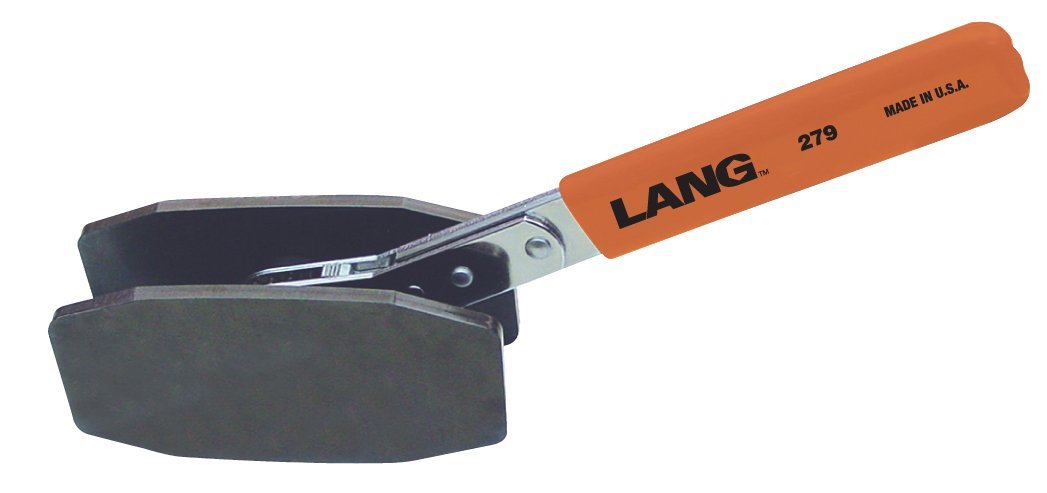
Speaking of which, does anyone have a favorite brake spreader tool for calipers like this? This Lang tool looks appealing. Has anyone ever used it?
Amazon link here
 |
I use this spreader
https://www.amazon.com/Lisle-29100-Q...5290701&sr=1-6
Symptoms generally appear suddenly. It's similar to overheating your calipers; generally there's no consequence until one day you have a sudden failure. That's why I run temp strips like this (black = activated):
https://www.instagram.com/p/BOGJxgJjVo5
Per AP Racing (
https://www.apracing.com/Info.aspx?I...ProductID=2858)
Quote:
The brake caliper temperature indicator strip is applied directly to the brake caliper to indicate the maximum temperature the caliper has achieved during use,
It is essential that the caliper temperature is kept well within the working range of the brake fluid to prevent fluid vaporisation which will result in the loss of brake pedal.
Calipers that regularly run at up to 200°C - Re-seal every other event.
Calipers that run intermittenly from 200°C to 220°C - Re-seal as soon as possible.
|
PM me your address and I'll send you a few strips.