

 03-20-2011, 03:07 AM
|
#15 |
|
Mr. Detail

Join Date: Mar 2011
Drives: 2003 Celica GT-S
Location: Cary, NC
Posts: 742
Thanks: 0
Thanked 4 Times in 4 Posts
Mentioned: 0 Post(s)
|
So, in other news I'm a total idiot. I didn't know what D-4S mean, and found this thread:
http://www.ft86club.com/forums/showthread.php?t=100
__________________
 |

|

|
|
03-21-2011, 11:30 AM
|
#16 | |
|
hashiryu
Join Date: Nov 2009
Drives: Mk4 Supra
Location: Probably mucking around in an engine bay
Posts: 2,567
Thanks: 18
Thanked 37 Times in 20 Posts
Mentioned: 0 Post(s)
|
Quote:
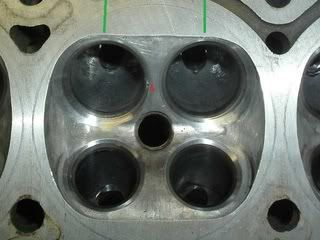
***I haven't read through the thread as yet, but for the first post, so bear with me*** 5 valve heads were designed that way principally for more flow and velocity. I distinctly remember a design study showed that 5 valves were the optimum configuration before reaching the point of diminishing returns. Good luck finding that, cause I certainly can't get my lazy ass to google it. sorry. Yes, you do have more flow inteference, but overall, you will have more volume and intake velocity from three slightly smaller intake valves than two large intake valves. Now it goes further, the valves themselves can almost be smaller and more importantly, lighter, so you have less inertia and this is obviously better for high rpm motors. Then you get into the interesting stuff. VAG in some of their 20v engines has the central valve opens at a slightly different time than the outside 2 intake valves. By doing this, the engineers can change how the intake charge swirls in the cylinder by having the intake streams from the valves collide differently. IIRC perhaps Honda does this as well with their engines, but you know, 2 valves open is better than one. Due to new engine technologies such as intelligent valve lift systems, valvematic, direct injection and the like, the advantages of a 5VPC setup has decreased and since packaging would be extremely difficult to have all the technologies integrated at once (not to mention costly) the concept arguably wouldn't be advantageous in a modern engine, but IMHO it certainly is not overrated in the era which it was used. :happy0180: |
|
|
|
|
|
03-21-2011, 09:18 PM
|
#17 | |
|
Kuruma Otaku
Join Date: Dec 2009
Drives: Mk3 Supra with Semi-built 7MGTE
Location: Greater Vancouver (New West)
Posts: 6,854
Thanks: 2,398
Thanked 2,265 Times in 1,234 Posts
Mentioned: 78 Post(s)
|
Quote:
The only way I can see a velocity increase, is momentarily if one of the valves opens first. But that is very, very brief. Otherwise, no velocity difference.
__________________
 Because titanium. |
|
|
|
|
|
03-21-2011, 11:52 PM
|
#18 |
|
Mazda and Ecotec Owner

Join Date: Mar 2011
Drives: 2004 Mazda 6S
Location: Southeast Ohio
Posts: 102
Thanks: 0
Thanked 0 Times in 0 Posts
Mentioned: 0 Post(s)
|
Not so much a tech question, but i come from the land of low-rpm torquey motors. What does Toyobaru mean with the talk of a "free-revving" motor? Sounds like PR talk to me, but maybe they are hinting at something that I don't know coming from V8s and Superchargers.
__________________
 2004 Mazda6S MTX 2006 Saturn Ion 2.4L "Sport" MTX |
|
|
|
|
03-22-2011, 12:12 AM
|
#19 | |
|
GL 86!
Join Date: Mar 2011
Drives: Maybe FR-S... maybe not
Location: NA
Posts: 356
Thanks: 0
Thanked 0 Times in 0 Posts
Mentioned: 0 Post(s)
|
Quote:
I have a 2ZZ-GE; my engine is "free" to rev to a 8200rpm redline... (the FT86 Concept 1 had a 7500rpm redline I believe). It's all just speculation though, so if anyone has other thoughts I would be happy to hear and engage. I have half a mind to plug in some numbers to see what they need to change on the FB20 to what they've stated as a goal, if this is indeed the case. |
|
|
|
|
|
03-22-2011, 12:45 AM
|
#20 |
|
hashiryu
Join Date: Nov 2009
Drives: Mk4 Supra
Location: Probably mucking around in an engine bay
Posts: 2,567
Thanks: 18
Thanked 37 Times in 20 Posts
Mentioned: 0 Post(s)
|
Low internal inertia a la 4A-GE, 2ZZ and 1LR I suppose.
|
|
|
|
|
03-22-2011, 12:52 AM
|
#21 | |
|
hashiryu
Join Date: Nov 2009
Drives: Mk4 Supra
Location: Probably mucking around in an engine bay
Posts: 2,567
Thanks: 18
Thanked 37 Times in 20 Posts
Mentioned: 0 Post(s)
|
Quote:

|
|
|
|
|
|
03-22-2011, 12:52 AM
|
#22 |
|
2.1L 3SGTE
Join Date: Oct 2009
Drives: MR2 Turbo & Tacoma
Location: Columbus, IN
Posts: 1,248
Thanks: 29
Thanked 24 Times in 22 Posts
Mentioned: 0 Post(s)
|
"free-revving" means high rpm.
__________________
1991 MR2 Turbo - 2.1L high compression stroker 3SGTE
2006 Tacoma 4x4 TRD Off Road - All-Pro front bumper, Old Man Emu shocks, Old Man Emu HD front coils, All-Pro leafs 1990 240SX Coupe - sold 2008 Civic Si Sedan |
|
|
|
|
03-22-2011, 04:03 PM
|
#23 | |
|
Senior Member
Join Date: Sep 2010
Drives: N/A
Location: N/A
Posts: 3,380
Thanks: 2,205
Thanked 646 Times in 419 Posts
Mentioned: 8 Post(s)
|
Quote:
 . .Good stuff  . One note is that the CR-Z uses a lower cam that only partially opens the second valve until VTEC engagement. Is that what you referring to Matador? That is to help with swirl or low end torque for those who don't know . One note is that the CR-Z uses a lower cam that only partially opens the second valve until VTEC engagement. Is that what you referring to Matador? That is to help with swirl or low end torque for those who don't know  . .Direct injection is a nice point of discussion too  . That and port fuel injection :hint: :hint:. . That and port fuel injection :hint: :hint:.
|
|
|
|
|
|
03-22-2011, 07:43 PM
|
#24 |
|
Mr. Detail
Join Date: Mar 2011
Drives: 2003 Celica GT-S
Location: Cary, NC
Posts: 742
Thanks: 0
Thanked 4 Times in 4 Posts
Mentioned: 0 Post(s)
|
Yes, fuel port injection.
Anyone care to explain D-4S?
__________________
|
|
|
|
|
03-22-2011, 07:59 PM
|
#25 | |
|
Senior Member

Join Date: Oct 2009
Drives: Toyota Corolla SR5
Location: SoCal
Posts: 1,268
Thanks: 4
Thanked 75 Times in 48 Posts
Mentioned: 0 Post(s)
|
Quote:
  
|
|
|
|
|
|
03-22-2011, 08:16 PM
|
#26 | |
|
GL 86!
Join Date: Mar 2011
Drives: Maybe FR-S... maybe not
Location: NA
Posts: 356
Thanks: 0
Thanked 0 Times in 0 Posts
Mentioned: 0 Post(s)
|
Quote:
Direct Injection: The fuel is directly injected into the cylinder, leading to enhanced control of fuel delivery, timing, amount etc... D-4S from my limited look through combines both in the form of a low pressure point injectors and high pressure direct injectors also known as twin injection system. I do remember that multi-point had some sort of advantage over direct injection (there is a reason) but I can't recall off hand what it was. It might have been greater mixture of fuel and air at higher engine rpm due to the engine drawing in air at a higher velocity? Can't remember, anyone? NVM it's in the D-4S thread down. It's actually greater mixture at idle and low rpm... Last edited by Exage; 03-22-2011 at 08:44 PM. |
|
|
|
|
|
03-23-2011, 12:47 PM
|
#27 |
|
Mazda and Ecotec Owner
Join Date: Mar 2011
Drives: 2004 Mazda 6S
Location: Southeast Ohio
Posts: 102
Thanks: 0
Thanked 0 Times in 0 Posts
Mentioned: 0 Post(s)
|
Interesting stuff. Both my current cars are VVT DOHC 4V cars. When that Ti-VCT kicks in on the 6S Duratec 30, its a kick in the seat. It'd be gutless before then had I not swapped a larger throttle body from the new Mustang Duratec 37 and a set of shorty headers onto it. Now it pulls hard from 2K to redline.
 It also has cams, so that might help a teensy bit. It also has cams, so that might help a teensy bit. The Saturn's LE5, like I said I think somewhere, is torquey. It has what is called DCVCP. Pulls hard in the low band and at 3900rpm, the VVT kicks in and it roars to life. Just wish it had more power to match the throaty sound. :/ I'm fascinated by VVT systems. A good set of cams on a VVT head sounds like the end of the world, even on a four-pot.
__________________
2004 Mazda6S MTX 2006 Saturn Ion 2.4L "Sport" MTX |
|
|
|
|
03-23-2011, 08:46 PM
|
#28 | |
|
Senior Member
Join Date: Sep 2010
Drives: N/A
Location: N/A
Posts: 3,380
Thanks: 2,205
Thanked 646 Times in 419 Posts
Mentioned: 8 Post(s)
|
Quote:
|
|
|
|
|
|
|
|
|
|
|
 Similar Threads
|
||||
| Thread | Thread Starter | Forum | Replies | Last Post |
| Joke Thread | VenomRush | Off-Topic Lounge [WARNING: NO POLITICS] | 27 | 07-09-2011 12:44 AM |
| The Music Thread | aliphian | Off-Topic Lounge [WARNING: NO POLITICS] | 13 | 03-28-2011 11:35 AM |
| engine swap thread | aspera | Engine Swaps | 231 | 03-15-2011 05:10 PM |
| FT-86 to debut new GPS-track day technology for use on track and GT5! | Hachiroku | Scion FR-S / Toyota 86 GT86 General Forum | 17 | 01-30-2010 11:30 AM |
| Official MMA Thread | zigzagz94 | Off-Topic Lounge [WARNING: NO POLITICS] | 11 | 12-15-2009 10:59 PM |