Quote:
Originally Posted by CSG Mike

It's precisely why variable thermostats exist. Lets revisit the Supra. Like most modern non-economy cars, it has 4 states.
1. everything closed, circulate within engine only. This is to warm the engine up as quickly as possible to minimize emissions.
2. heater core only. For comfort. In typical california conditions, the heater will be warm within 25-30 seconds in such cars.
3. low flow. For economy. Regulates coolant temp to about 105C.
4. Max cooling. Typically regulates coolant temp to a floor of 85C.
Many folks going into a supra complained that their cars were running hot/overheating when they saw 105-108C cruising, not realizing.... that's how all modern euro cars are, whether its a Supra, BMW, Porsche, Merc, or Audi. Even basic VWs do this.
Why do most 86's "overcool the oil"? Because people just don't seem to be able to get it into their heads that the oil temp observed is post-cooler. And the thermostatic plates are very basic.
Cooling is an equilibrium problem. A hot oil cooler in front of an intercooler, even if the intercooler is much larger, hurts efficiency.
|
It might hurt the efficiency of maximizing the cooling effect of the intercooler, but by how much does it make a difference? Measure temperature drops across the intercooler before and after in a variety of situations, and I am curious if the difference is significant.
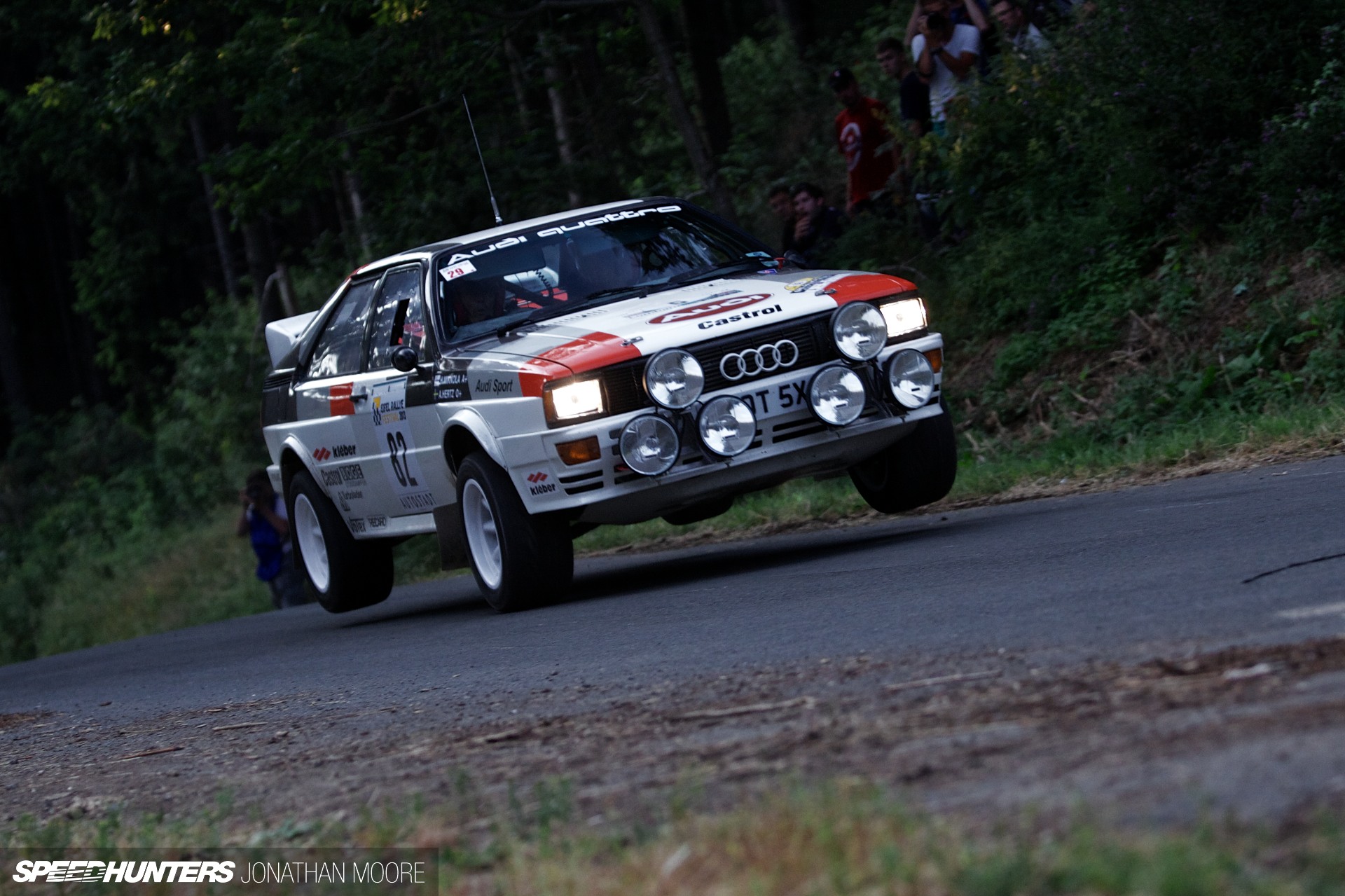
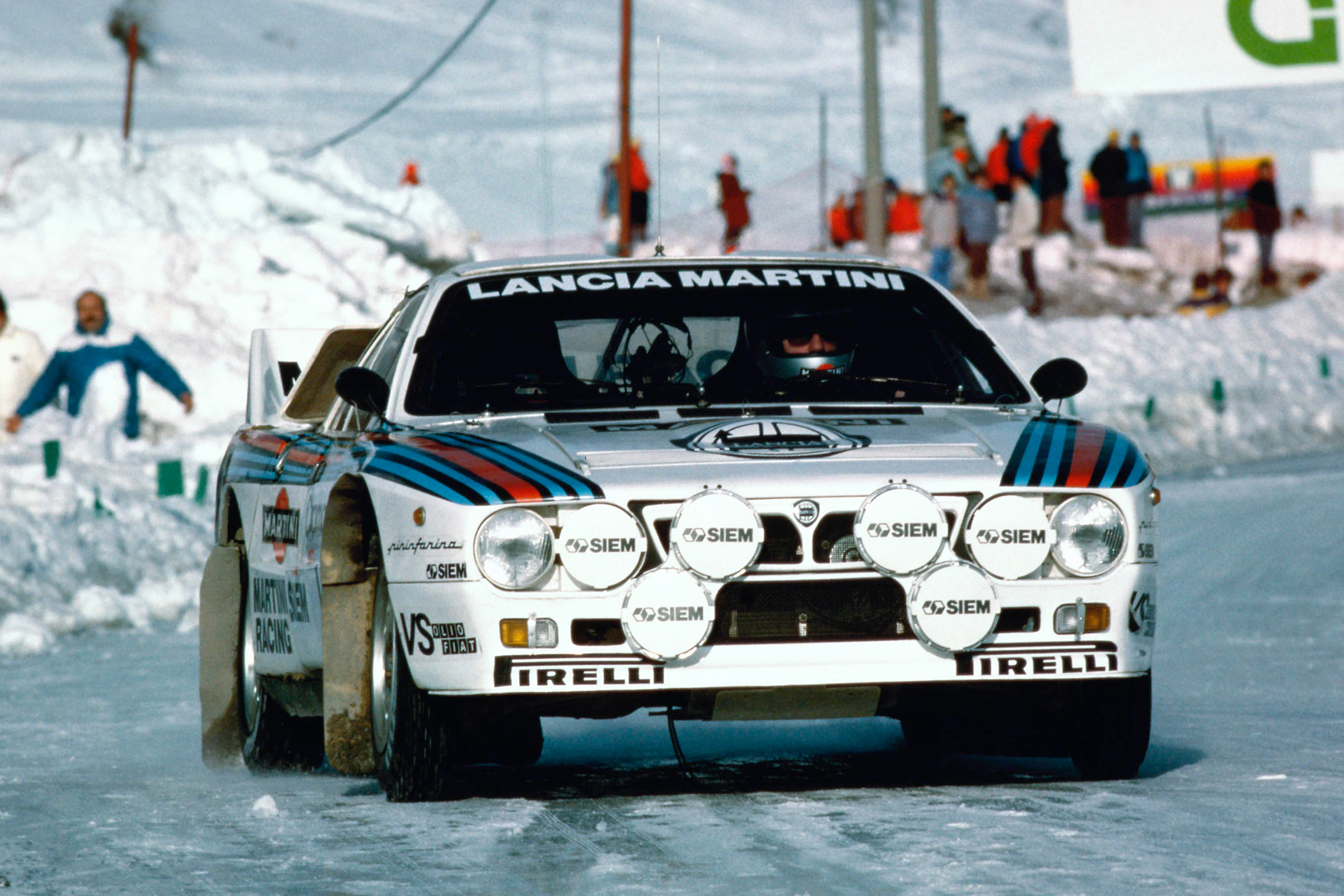
I'm just thinking of radiators that are higher than the openings, intercoolers that are higher, rally cars with little openings or huge off-road lights and light bars across the front bumper, etc and how that seemed to work. Again, I agree about the fundamental efficiency/physics argument, but I question the relevant impact.