Tire pressure changes can dramatically alter the handling of a vehicle, with standard atmospheric air the temperature increases lets say 3 psi after an autox run or lapping session. By using dry air (typically accomplished with nitrogen) you can reduce the pressure change, lets just make stuff up and say it reduces the increase by 1 psi.
To the average person, doesn't make a lick of difference.
To the hardcore competitive guy that means he starts his day +1 psi over standard air, he's 1 psi closer to his optimal temperature, the tires will react more predictably sooner in the run, if there's an unanticipated handling problem (under/oversteer) that would heat up the fronts or the rears disproportionately or unexpectedly with nitrogen/dry air the pressure change will be lessened reducing the impact of the problem vs. atmospheric air.
I remember doing some testing about a decade ago, these were go kart tires and my dad had access to a house sized nitrogen tank at work, nobody would miss a bit here or there, one of the perks you could say. We saw maybe 0.5 psi difference at the absolute most and our methods weren't very scientific. We deemed it wasn't worth the hassle and after a season of messing with it dropped it and put our efforts into more valuable testing time. The local championships and track records came long after we stopped bothering.
I fear I may have misinterpreted your post, oh well, already wrote it.
I wouldn't hesitate to use the desiccator I linked a few pages back but at this point it's not on my radar for minimizing variables, if I were to use it I'd have to spend a day re-confirming my air pressures...
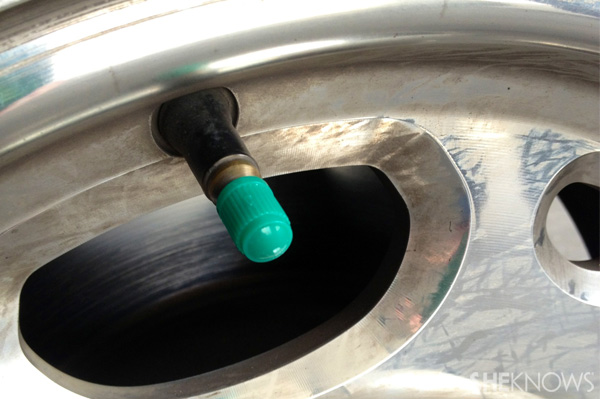
Edit: Easy DIY test, take one tire filled with nitrogen (courtesy of your local dealership, costco, american tire, NASA, whatever) take one tire filled with atmospheric air (stop off at a gas station on the way home drain a tire flat, fill it up with the air compressor there), let them sit in the garage overnight, equalize the pressure in the morning, let 'em sit in the sun for a few hours and measure the pressures again. You could be fancy and measure every half hour and make some nice Excel graphs, of course make sure they get equal sunlight and aren't close enough to influence each other significantly.
Might do this if I get my next set of tires at costco, lets see if they offer any trackable compounds aside from RE71R and MPSS...