The general consensus here seems to be that this is normal for any
car.
That's not entirely accurate.
This is normal for any
product.

That is the "product life cycle" that marketing majors have to memorize to get a masters degree. Most products will follow this general trend. Cars are no different.
That curve isn't always quite that shape. If a product comes along that everyone needs, and there's no way to improve upon it or compete with it, that curve will be longer and may not go into decline for a long time. Some products also may see a steeper growth. The twins appear to have done that, but that's really because the "introduction" period was before the car even went on sale. Scion had really already sold those cars to those first-month buyers; they just didn't know it yet.
Some products are designed to go through these stages and then be phased out when they're no longer providing the targeted return. You see fast food places do that. Wendy's likes to introduce a special burger or chicken sandwich that they already know they'll take off the menu in three months when the sales die down. McDonald's likes to play with the product life cycle phenomenon with McRib by bringing it back, letting it go through the cycle, then taking it away.
But some manufacturers want to avoid the decline. Sometimes you can't do that with a product that doesn't change. Manufacturers will offer new versions or options. Some will completely redesign and relaunch. This is what car companies do, and this is their goal:
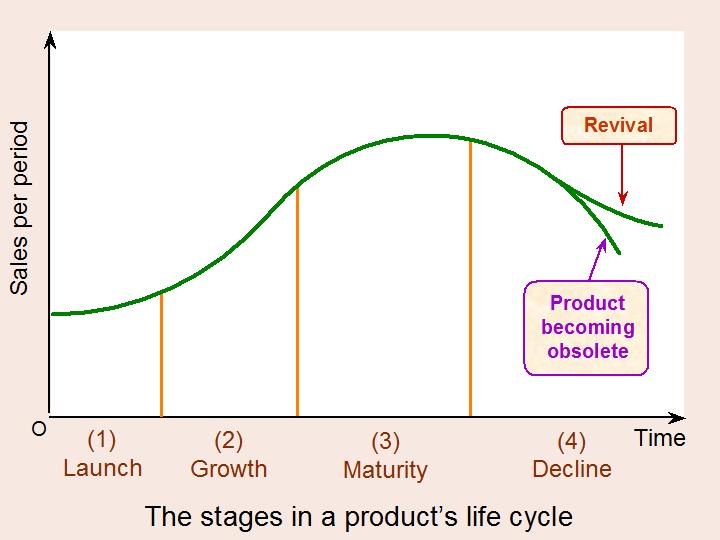
That revival tail basically picks up where the decline is happening and (hopefully) starts the product life cycle over again. For most cars, auto makers plan for this. This is what they're doing with their refreshes and redesigns.
Toyota/Subaru have tried to extend the maturity period with all the special editions. Now they're in decline, which is absolutely normal and expected by any marketing major who actually showed up to class, which admittedly isn't all of them. They may try to revive the product with a redesign and start the cycle over. They may just leave it as it is and enjoy profits on a long tail on the decline side. They also have to consider its indirect benefits in an overall sales strategy among a fleet of different models.
But just because the product is following a known and expected pattern does not spell doom for the car. It doesn't indicate that the product is a failure, nor that Toyota or Subaru have failed to get exactly what they wanted out of it. It doesn't mean we will or will not see a second generation. It just means what it means, that sales are doing exactly what you would expect them to do.